

CO-4 Denial Code: Procedure and Modifier Mismatches in DME
August 4, 2026
Claim Scrubber: What It Catches and What Slips Through
August 25, 2026
If a claim on your remittance advice shows CO-18, the payer is telling you it looks like a duplicate. For a DME supplier handling hundreds of orders a month, that one code can mean a delayed payment, a rework cycle, and another item added to an already full billing queue.
This guide breaks down what the CO-18 denial code means, why it shows up, and what your team can do to resolve and prevent it.
What the CO-18 denial code actually means
CO-18 signals that a payer believes the same service was already billed. It is one of the most common denial codes DME billing teams see, and it is not always a true error. Sometimes the system is right. Other times, a corrected or updated claim gets flagged by mistake.
Understanding where the code comes from helps explain why it shows up in the first place.
How CARC 18 is defined under X12 standards
CARC 18 is a standardized code maintained by X12, the organization that sets the rules for claim adjustment reason codes across the industry. It simply means “exact duplicate claim or service.” The code itself does not change from payer to payer. What can change is the group code attached to it, and that detail matters more than most teams realize.
CO-18 vs OA-18: which group code is correct
The group code that comes before the 18 tells you who is financially responsible for the adjustment.
- OA (Other Adjustment): commonly used by Medicare for duplicate denials. Neither the provider nor the patient is automatically billed.
- CO (Contractual Obligation): used by some commercial and workers’ comp payers. It signals the provider is responsible under their payer contract.
If you are working a Medicare claim, expect to see OA-18 more often. CO-18 tends to appear outside of Medicare. Either way, the patient should not be billed for a duplicate denial.
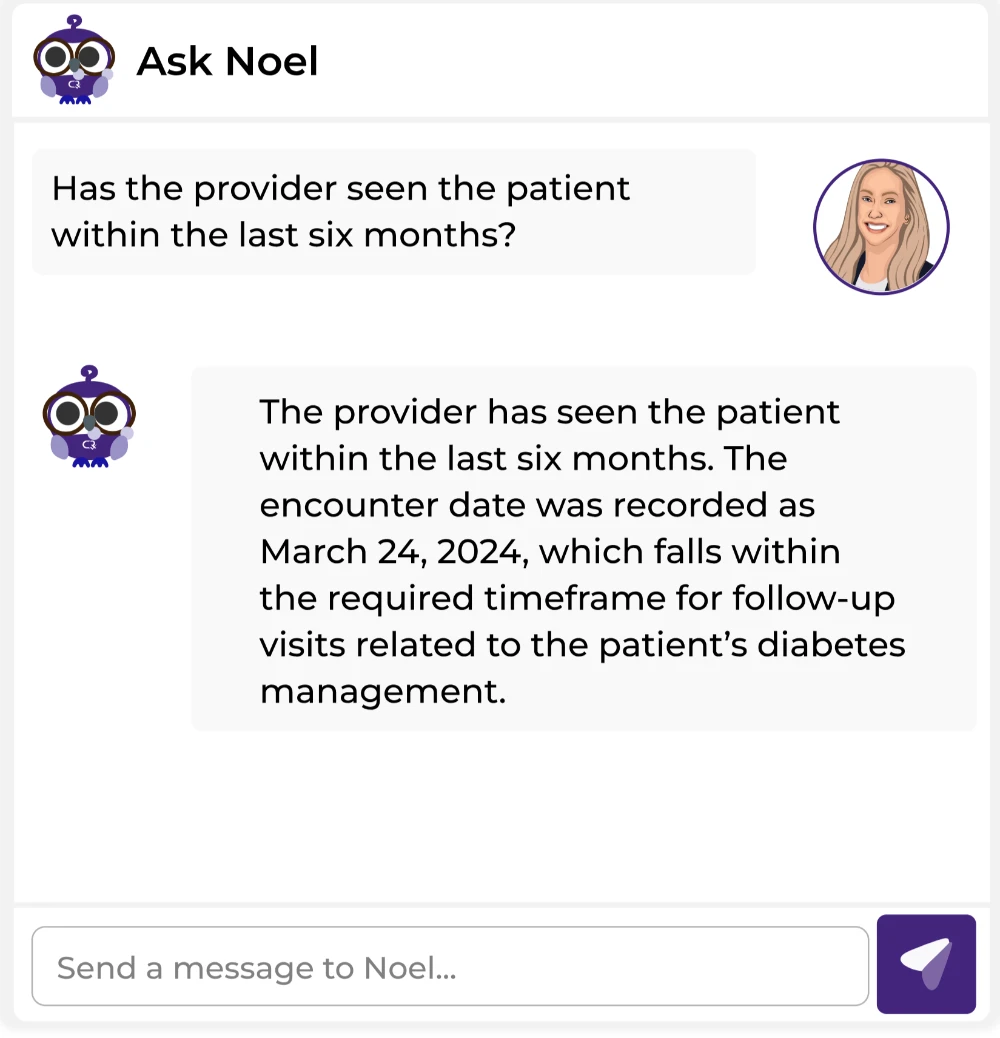
Checking a denial code against payer rules before deciding how to respond.
Common causes behind CO-18 denials in DME claims
Most CO-18 denials are not intentional. They usually come down to timing, coordination, or a claim that was resent the wrong way.
Duplicate submissions from resubmitting too early
If a claim seems stuck and staff resubmits it before the original has finished processing, the payer often ends up with two active claims for the same order. This is especially common when multiple team members are handling intake and billing without a shared view of claim status.
Corrected claims sent as new claims
When a claim needs a small correction, sending it in as a brand new claim instead of a corrected one can trigger a duplicate flag, even though the intent was simply to fix an error.
How a CO-18 denial affects DME suppliers day to day
A single CO-18 denial is usually a quick fix, but the pattern adds up. Each one means someone on your team has to pause, pull the claim history, confirm what actually happened, and resubmit correctly. For a supplier processing a high volume of orders, that time adds up fast.
Repeated duplicate denials can also draw more attention during a payer review, since they suggest a gap in claim tracking rather than a one-time mistake. That is worth avoiding, especially for suppliers already managing multiple payer jurisdictions.
Steps to resolve an existing CO-18 denial
Before resubmitting anything, it helps to slow down and confirm what the payer is actually seeing on their end.
Confirm the claim history before taking action
Check the claim status with the payer or clearinghouse first. If the original claim was already processed or is still in progress, resending it will only create another duplicate flag.
Submit a corrected claim instead of a new one
If the claim genuinely needs an update, use the correct claim frequency code to indicate a corrected claim rather than submitting it as new. This one process change resolves a large share of avoidable CO-18 denials.
Preventing CO-18 denials before they happen
Most duplicate denials are preventable with better visibility into what has already been submitted.
Centralizing claim submission tracking
A shared, up-to-date log of submitted claims keeps multiple staff members from accidentally resending the same order. This matters most for teams split across intake and billing.
Scrubbing claims for duplicates before they go out
Running claims through a check for matching patient, date, and service details before submission catches most duplicates before they ever reach the payer.
Want to see how catching documentation gaps earlier in the process fits into denial prevention? Read our guide on the CO-4 denial code for another common example.
How CompliantRx helps DME suppliers avoid denial code errors
Denials like CO-18 often trace back to disorganized intake, not just what happens at billing. CompliantRx builds a complete, compliant record at intake and writes it back to your system of record, so your team works from one clean version instead of re-entering and resubmitting orders blind. That means fewer accidental duplicates, less rework, and a claim history your billing team can trust.
See how it works for your team. Schedule a demo with CompliantRx and start reducing avoidable denials at the source.
FAQs
1. Is CO-18 the same as OA 18?
No. Both mean duplicate claim, but the group code shows who is responsible. OA is common with Medicare, while CO usually applies to certain commercial or workers’ comp payers.
2. Can a CO-18 denial be appealed?
Yes, if you believe it was flagged in error. Confirm the claim history first, then submit supporting documentation showing the claim was not actually a duplicate.
3. What is the timely filing impact of a CO-18 denial?
Resolving a CO-18 denial does not usually reset your timely filing deadline, so it helps to act quickly once you spot it.
4. Does CO-18 affect patient billing?
No. A duplicate denial is a claims processing issue between the provider and payer, not something the patient should be billed for.