

What Is Revenue Cycle Management in DME? Why Documentation Is the Foundation
July 15, 2026
AI for Medical Documentation in DME: How It Works and Where It Helps
July 25, 2026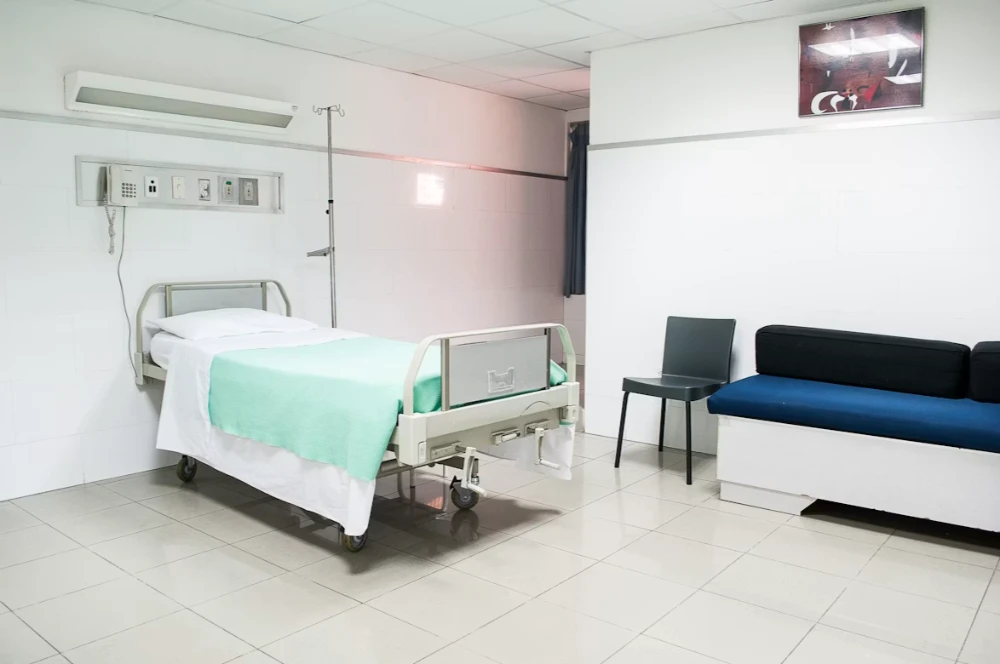
DME (durable medical equipment) is the clinical and billing category payers use, while HME (home medical equipment) describes the operational service model of sourcing, delivering, setting up, and maintaining that equipment in the home.
In practice, most HME is DME, which is why the terms are often used interchangeably. Below, we detail HME vs DME to help you navigate complex payer rules effectively.
What Is DME (Durable Medical Equipment)?
Durable medical equipment is a category of medical devices defined by the Centers for Medicare and Medicaid Services (CMS) that shapes how suppliers receive Medicare Part B reimbursement.
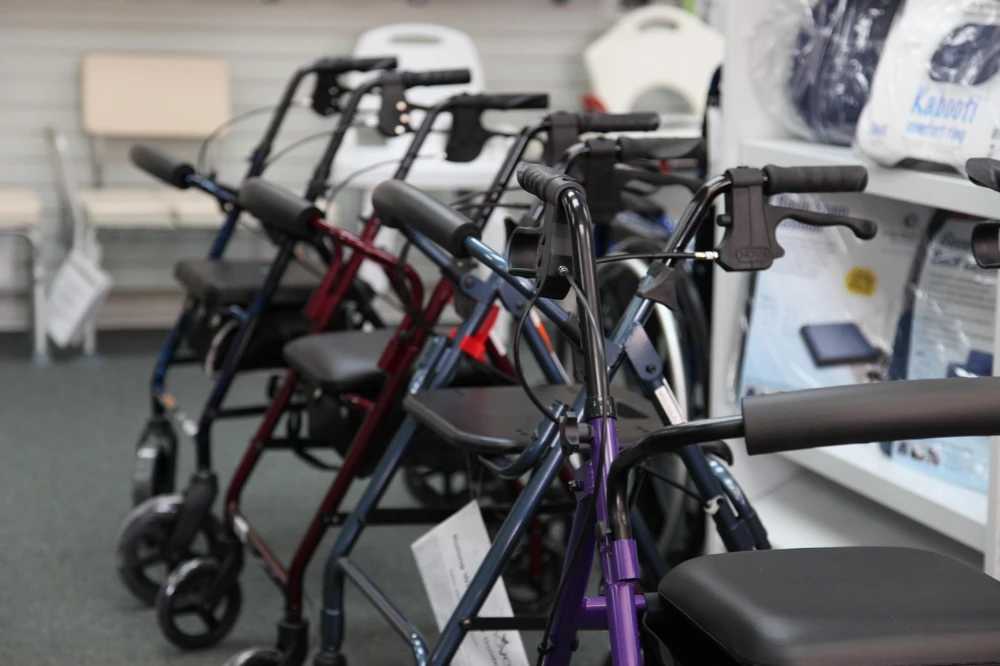
To qualify, an item must meet five strict CMS criteria.
- Withstands repeated use: The equipment must be durable enough for multiple uses by one patient over time.
- Primarily medical purpose: The item must treat a specific medical condition, illness, or injury.
- Not useful without illness or injury: A healthy person would have no practical use for the equipment.
- Medically necessary: A licensed clinician must prescribe the device to treat a documented condition.
- Used in the home: The item must function safely inside a patient’s residence.
If a product satisfies these five rules, it typically qualifies for coverage under Medicare Part B. Common examples include mobility aids like wheelchairs and walkers, life support equipment like oxygen concentrators and CPAP machines, and in-home care furniture like hospital beds and patient lifts.
Under Part B, patients generally pay twenty percent of the Medicare-approved amount after meeting their deductible, and Medicare covers the remaining eighty percent.
What Is HME (Home Medical Equipment)?
Understanding HME vs DME requires looking beyond the physical products to the comprehensive supply and service model that supports patient care at home.
- Sourcing: Procuring the correct clinical devices based on a patient’s specific prescription.
- Delivery and setup: Transporting equipment to the residence and installing it safely.
- Patient education: Training the patient and caregivers on how to operate the device properly.
- Maintenance and repair: Performing routine safety checks and fixing broken machinery.
- Eligibility and billing: Verifying insurance coverage and managing complex claims with payers.
- Resupply management: Tracking and shipping recurring disposable items to ensure uninterrupted therapy.
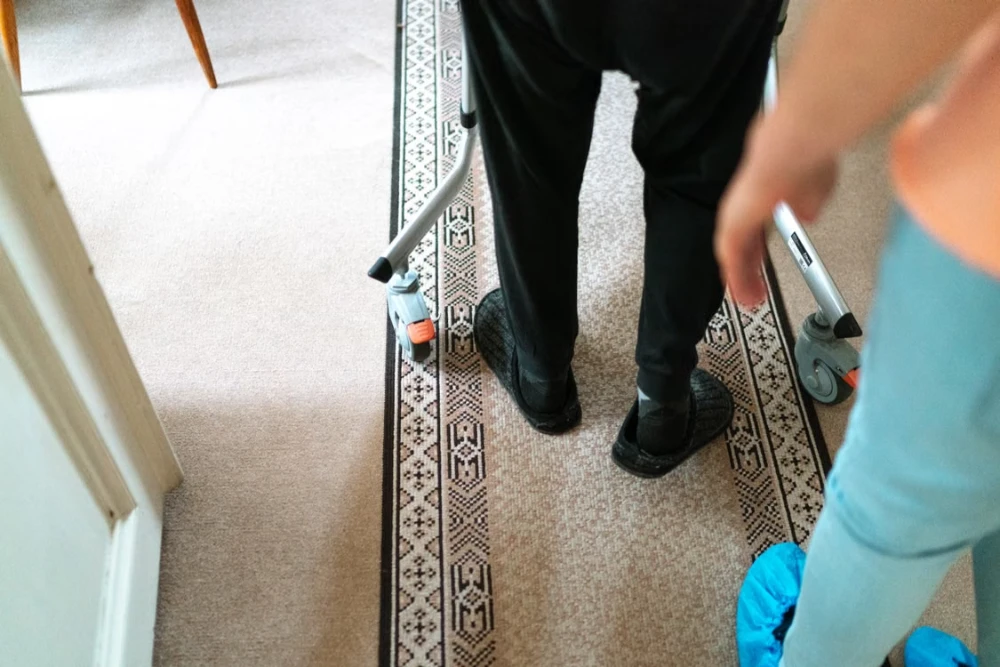
Unlike DME, which refers strictly to the rigid product classification, HME focuses on the entire care ecosystem provided by a medical equipment supplier. It encompasses the DME items plus all the logistical and clinical services required to make those items functional for the patient.
HME vs DME: The Key Difference
When evaluating HME vs DME, the core distinction comes down to what the equipment is versus how it is delivered. DME is the physical hardware and the legal billing category defined by CMS. HME is the operational service model, logistics, and setup support surrounding that device. To clarify this comparison, the following table breaks down the differences across key operational areas.
| Category | DME | HME |
| Full Name | Durable Medical Equipment | Home Medical Equipment |
| Refers To | The physical, medically necessary hardware device used by the patient. | The comprehensive business, delivery, setup, and support model. |
| Defined By | Strict CMS legal criteria determining Medicare Part B reimbursement. | Industry trade standards, provider operations, and care delivery frameworks. |
| Scope | Limited strictly to the physical device meeting durability and medical necessity rules. | Broad scope covering the device, intake, delivery, patient education, and ongoing maintenance. |
| Billing Focus | Healthcare Common Procedure Coding System codes, coverage guidelines, and physician documentation. | Insurance eligibility verification, complex claims processing, and recurring disposable resupply billing. |
| Examples | Wheelchairs, CPAP machines, oxygen concentrators, hospital beds, and walkers. | Home delivery, clinical machine training, equipment repair services, and mask replenishment logistics. |
Understanding this framework prevents confusion when communicating with payers, referral sources, and internal staff.
Why the Difference Matters for Billing and Documentation
Whether you talk about DME or HME, your reimbursement rests on the exact same legal and technical foundation. Payers do not change their baseline compliance rules based on the acronym you use. To get a claim paid, every single order must satisfy three foundational pillars: accurate Healthcare Common Procedure Coding System coding, eligibility verification, and complete medical necessity documentation.

The real danger surfaces when you look at the broad operational framework of HME. Because HME covers the entire service model, it naturally creates a much larger web of administrative touchpoints:
- Managing initial intake clinical notes
- Coordinating delivery logistics and physical proof of delivery
- Documenting recurring patient resupply schedules
- Tracking equipment service and routine maintenance logs
Every single one of these operational steps is a point where documentation can slip. A missing signature on a delivery slip, a gap in a physician chart note, or an unverified policy change during a recurring monthly rental is exactly where costly insurance denials and technical audits start.
Because compliance rules are dense and constantly moving, catching these structural document gaps at the very end of the billing cycle creates massive operational bottlenecks. Shifting the audit and verification process to the initial front-end intake step is the only reliable way for suppliers to protect their revenue and support clean claim submissions.
Staying Compliant Across HME and DME
Protecting your reimbursement ultimately comes down to one absolute rule: your compliance must be accurate at the intake stage, regardless of whether you classify the order as HME or DME. Waiting until after equipment delivery to review documentation is a recipe for expensive audit clawbacks and revenue loss.
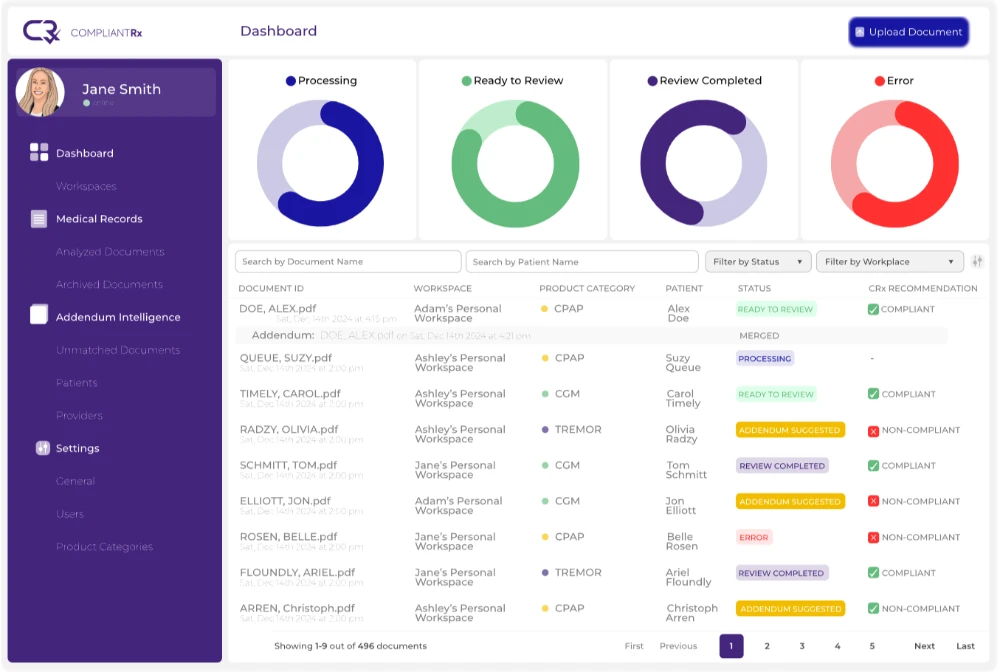
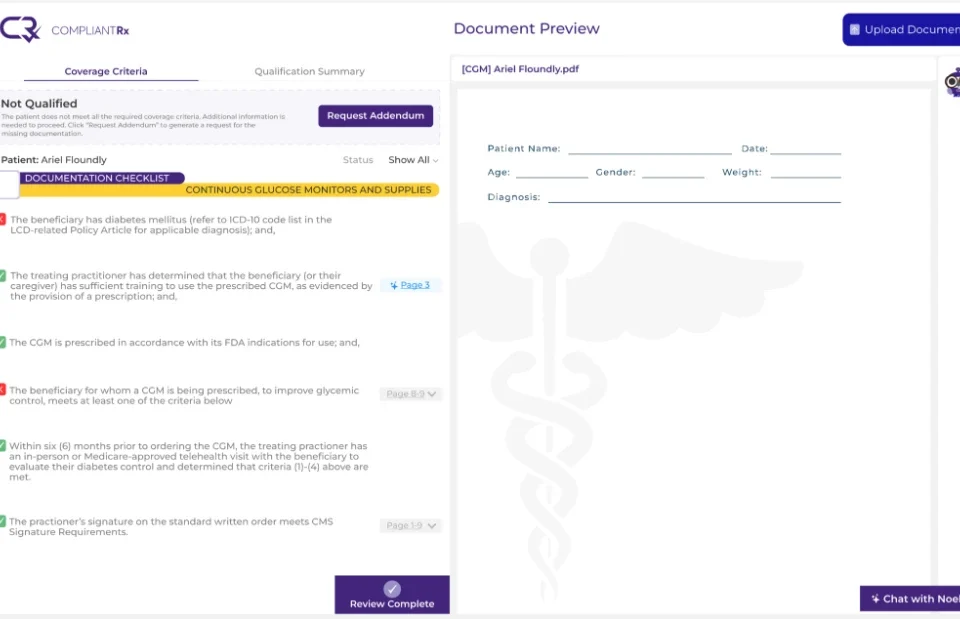
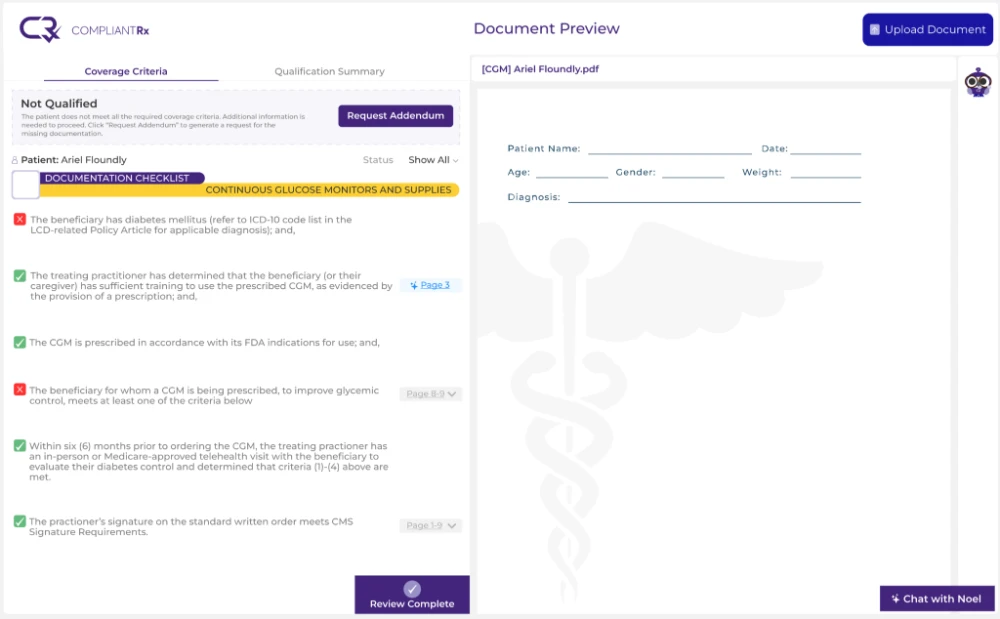
To bridge this operational gap, CompliantRx acts as an automated compliance layer right at the front-end intake process. Built by a veteran DME operator who understands real-world billing friction, our software analyzes incoming clinical documentation against complex, ever-changing payer rules before the equipment ever leaves your warehouse.
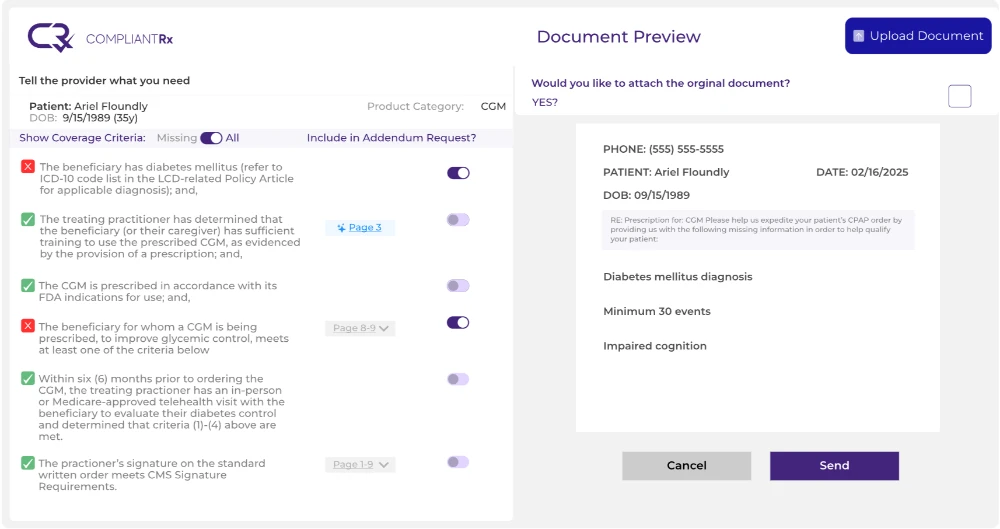
By catching missing clinical details, unsigned physician orders, and strict coverage criteria gaps immediately, intake teams can confidently submit clean claims. This proactive approach stops insurance denials at the source and turns compliance from an administrative bottleneck into a predictable operational routine.
Want to see how CompliantRx keeps DME documentation compliant from intake? Schedule a demo.
FAQs
Understanding the nuances of HME vs DME helps clarify common operational and billing questions in the medical equipment industry.
Q: Is HME the same as DME?
A: The terms mostly overlap because the vast majority of home medical equipment qualifies as durable medical equipment. The distinction is that HME adds the surrounding service model of delivery, setup, and maintenance.
Q: Does Medicare cover HME?
A: Medicare only covers the equipment if it meets all five strict CMS criteria for DME. If the physical item does not qualify as DME, Medicare will not provide reimbursement.
Q: Is HME billing different from DME billing?
A: The core billing requirements remain identical for both terms. However, the HME operational model introduces additional service touchpoints like resupply tracking and delivery documentation that require careful management.
Q: What qualifies as DME under Medicare?
A: An item must withstand repeated use, serve a primarily medical purpose, not be useful to a healthy person, be medically necessary, and be used in the patient’s home.